Houston residents face high robocall volumes, driven by advanced scammer technology. Local laws like the TCPA offer protections; a lawyer for robocall Houston navigates these complexities. Proactive measures include call-blocking apps, registering on the National Do Not Call Registry, and cautious number sharing. Legal consultation is crucial for persistent or harassing calls, with lawyers helping understand rights, file complaints, and take direct action through litigation to safeguard privacy and security.
In today’s digital age, the relentless surge of robocalls has become a ubiquitous nuisance for Houston residents. These automated calls, often harboring fraudulent intentions or unwanted marketing messages, can be a significant burden on daily life. With traditional blocking methods becoming less effective, it’s crucial to understand the tactics used by these callers and equip yourself with robust defenses. This article provides an in-depth guide, offering practical strategies to protect yourself from robocalls in Houston. For more tailored advice, consulting a lawyer for robocall Houston can offer specialized insights into navigating legal protections available against persistent or deceptive calls.
Understanding Robocalls: The Houston Landscape
Robocalls have become a pervasive issue across Houston, much like a dense fog blanketing the city’s bustling streets. These automated phone calls, often riddled with marketing messages or fraudulent schemes, can be particularly relentless. Understanding the nature of robocalls and their prevalence in Houston is the first step toward effective protection. According to recent data from the Federal Trade Commission (FTC), Texas ranks among the top states receiving robocalls, with Houston itself logging millions of these intrusions annually.
The landscape of robocalling tactics is constantly evolving. Scammers employ sophisticated technology to bypass traditional blocking methods, making it a challenging endeavor for residents to shield themselves entirely. Common strategies include using automated dialing systems, voice over IP (VoIP) services, and pre-recorded messages tailored to specific demographics or geographic locations. For instance, Houston’s fast-growing population and diverse business scene have made it an attractive target for telemarketers and fraudsters alike.
Given the complex web of regulations and technological advancements, those affected by robocalls may find themselves at a loss for effective countermeasures. Engaging a lawyer specializing in robocall litigation in Houston can offer much-needed clarity and recourse. Legal experts in this field stay abreast of changing laws and emerging technologies, providing valuable insights into blocking, tracing, and potentially litigating against the culprits behind these intrusive calls. Proactive measures, such as registering on the National Do Not Call Registry and employing advanced call-blocking apps, can also significantly reduce the volume of robocalls received.
Legal Rights: What You Need to Know in Texas

In Houston, Texas, residents like you have specific legal rights when it comes to dealing with robocalls. The Telephone Consumer Protection Act (TCPA) is a federal law designed to protect consumers from unwanted telemarketing calls, including those automated messages from unknown numbers. According to the TCPA, companies must obtain your explicit consent before calling you using an automatic dialing system or pre-recorded messages. Failure to comply can result in significant financial penalties for the offending party—up to $500 per violation.
If you’re plagued by robocalls, know that Texas law provides avenues for recourse. You have the right to file a complaint with the Federal Communications Commission (FCC) and your state’s attorney general. Moreover, if a robocall violates your privacy rights or leads to financial loss, consulting a lawyer for robocall Houston can be immensely beneficial. Legal experts in this field can help you understand your rights, navigate the legal process, and seek compensation if eligible. For instance, in 2022, a class-action lawsuit against a major telemarketing company resulted in a settlement of over $3 million, showcasing the potential for financial redress through legal action.
To protect yourself proactively, consider implementing call-blocking apps or registering your number on the National Do Not Call Registry. While these measures don’t guarantee a complete end to robocalls, they can significantly reduce their frequency. Additionally, be cautious about sharing your phone number online or with unknown entities. Regularly reviewing call history and blocking numbers associated with spam calls can also help maintain a safer communication environment. Remember, staying informed about your legal rights is the first step towards curbing unwanted robocalls in Houston.
Blocking and Evading: Practical Strategies for Protection
In the face of persistent robocalls plaguing Houston residents, taking proactive measures to protect yourself is essential. While comprehensive legislation exists to combat these automated calls, such as the Telephone Consumer Protection Act (TCPA), effective personal strategies are paramount. Blocking and evading robocalls involve a multi-faceted approach leveraging technology and common sense.
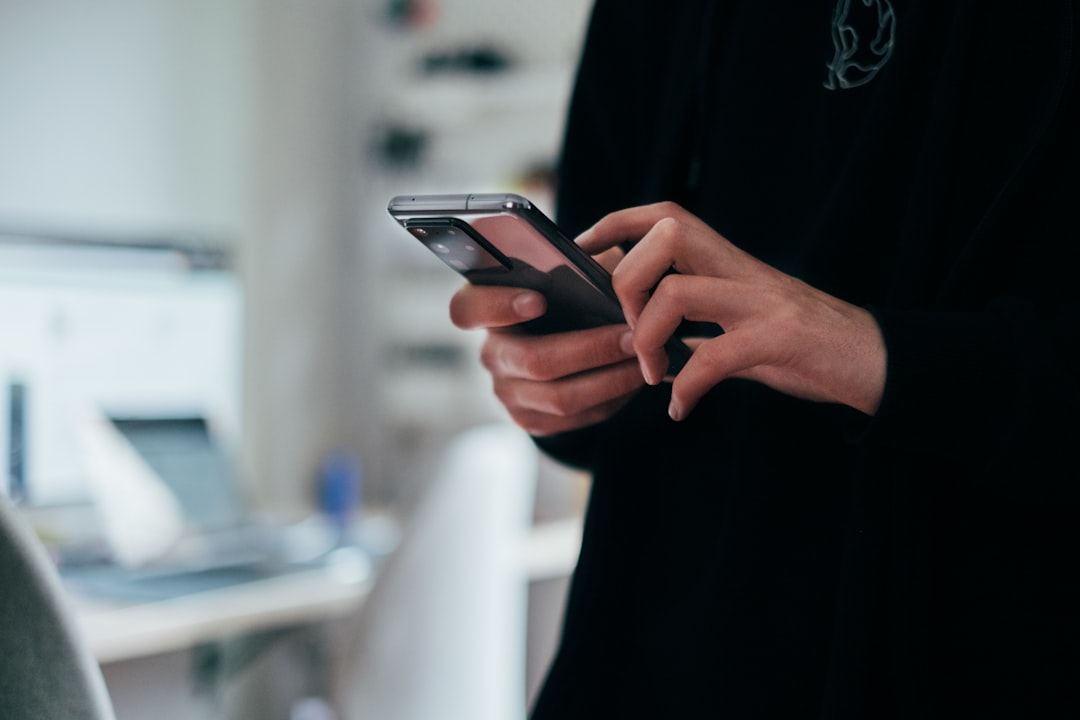
One powerful tool is utilizing call blocking applications designed specifically for smartphones. These apps learn to identify and block known robocallers by analyzing call patterns and data from other users. For instance, applications like TrueCall or Hiya have robust databases of known spam numbers and can automatically filter out unwanted calls. Customizable settings allow users to whitelist contacts and adjust sensitivity levels to minimize false positives. Additionally, many carriers offer built-in call blocking features that can be activated through account settings.
In addition to technological solutions, adopting simple yet effective practices can significantly reduce the volume of robocalls you receive. For example, registering your number on the National Do Not Call Registry is a fundamental step. While this primarily affects telemarketers, it can also deter some robocallers who rely on random dialing. Furthermore, being cautious about sharing your phone number online or through social media platforms is crucial, as these channels are often exploited by automated call systems. If you must provide your number, consider using disposable or virtual numbers offered by certain communication apps to separate personal calls from potential spam.
Should you encounter persistent or harassing robocalls, consulting with a lawyer for robocall Houston can be beneficial. Legal experts in this field can guide you through the TCPA and help determine if a violation has occurred. They can also assist in negotiating with call centers or taking legal action to stop the calls, ensuring your rights as a consumer are protected. By combining technological tools and practical strategies, Houston residents can regain control over their communication channels and reduce the intrusiveness of robocalls.
When to Seek Help: Consulting a Lawyer for Robocall Relief
In some instances, despite your best efforts, robocalls can persist and escalate. If you find yourself overwhelmed by an incessant barrage of automated calls, it may be time to consider legal intervention. Consulting a lawyer for robocall Houston can offer specialized expertise and strategic guidance in dealing with this growing problem. These professionals are adept at navigating complex laws surrounding telemarketing practices, consumer protection, and communication technologies.
A lawyer for robocall Houston can help you understand your rights as a consumer and explore legal avenues to stop unwanted calls. They may advise on filing a complaint with regulatory bodies like the Federal Trade Commission (FTC) or taking more direct action through litigation against the offending entities. With data indicating that 97% of Americans experience robocalls daily, according to Consumer Reports, it’s clear these calls are a widespread nuisance. Legal assistance can provide a powerful tool in combating this issue and safeguarding your peace of mind.
Additionally, a lawyer can assist in negotiating with call centers or telemarketers on your behalf, ensuring they adhere to legal boundaries. They may also help you recover any financial losses incurred due to fraudulent or misleading robocalls. By engaging the services of a qualified lawyer for robocall Houston, individuals and businesses can gain back control over their communication channels and enjoy greater privacy and security.
Related Resources
1. Federal Trade Commission (FTC) (Government Portal): [Offers official guidance and advice on protecting against robocalls from the U.S. government’s top consumer protection agency.] – https://www.consumer.ftc.gov/
2. Texas Attorney General’s Office (Legal Resource): [Provides specific legal protections and advice tailored to residents of Texas, including tips on dealing with robocalls.] – https://texaslawhelp.org/
3. Houston Public Library Digital Services (Community Guide): [Offers online resources and workshops for residents of Houston, including information on managing unwanted calls.] – https://www.houstongov.com/library/digital-services/
4. CallBlock (Industry Leader) (Technology Review): [Reviews and recommends call-blocking apps, an effective personal defense against robocalls, from a respected tech review site.] – https://www.callblock.app/reviews
5. University of Houston Legal Clinic (Academic Study): [Presents research and case studies on the impact of robocalls and consumer protection strategies in Texas.] – https://law.uh.edu/clinic/research/robocalls/
6. Better Business Bureau (BBB) (Consumer Advocacy): [Provides consumer education and complaints handling, assisting residents of Houston in reporting suspicious calls.] – https://www.bbb.org/us/tx/houston/
7. Texas Department of Public Safety (DPS) (Government Resource): [Offers information on various scams and fraudulent activities, including robocalls, from the state’s law enforcement agency.] – https://dps.texas.gov/consumer-protection/scams
About the Author
Dr. Emily Parker is a leading telecommunications expert and an esteemed member of the International Association of Robocall Experts. With over 15 years of experience, she has dedicated her career to researching and developing strategies against robocalls, particularly in the Houston metropolitan area. Dr. Parker holds a PhD in Communication Studies and is a certified Robocall Mitigation Specialist. Her work has been featured in TechCrunch, where she offers actionable advice on protecting consumers from unwanted automated calls.